On this page
The easiest songs to play on guitar for beginners, according to guitarists who actually learned them, are Seven Nation Army (rated 2.3 out of 10), Highway to Hell (2.8), Let It Be, A Horse with No Name, Bad Moon Rising and Hey Joe (all 3.0), followed by Smoke on the Water (3.5), Come As You Are (3.6) and Knockin' on Heaven's Door (3.8). All 15 songs in this list use open chords or a single-note riff, none needs a capo, and only two contain an F chord that beginners can swap for an easier shape. The scores come from the Riff Quest song library, where players rate a song from 0 to 10 after learning it, and every song here sits in the beginner D tier, which covers everything under 4.
Key Takeaways
- The ranking is crowd-sourced, not editorial. Each score is the average of ratings left by players who finished the song, pulled from a library of 1,700+ songs in September 2026.
- Chord count matters less than change speed. Bad Moon Rising has three chords and Hey Joe has five, yet both score 3.0, because the changes land at a comfortable pace.
- Riff songs are often easier than chord songs. Seven Nation Army, Smoke on the Water, Sunshine of Your Love and Come As You Are are single-note riffs that need no chord shapes at all.
- Two songs need a workaround for the F chord. Let It Be and House of the Rising Sun both contain an F, and a four-string F or an Fmaj7 gets a beginner through without a barre.
- Several "beginner list" classics are not beginner songs. Smells Like Teen Spirit, Creep, Paranoid and Nothing Else Matters all rate in the intermediate C tier on the same scale.
How This List Was Built
Every difficulty score in this article comes from the Riff Quest song library, a community-rated catalogue of songs that guitarists log and practice. After a player learns a song, the app asks how hard it felt on a 0 to 10 scale, and the average of those answers becomes the song's difficulty score. The scores are grouped into five tiers: D for beginner (under 4), C for intermediate (4 to 5.9), B for advanced (6 to 7.4), A for expert (7.5 to 8.9) and S for legendary (9 and up).
1,700+
songs in the library
1,100+
with community difficulty ratings
170+
rated as beginner D-tier songs
Riff Quest song library, September 2026
The 15 songs in this list are D-tier songs with at least three ratings, sorted from the lowest score to the highest. A minimum of three ratings keeps out songs where a single player's opinion is the whole score. The number of ratings is shown next to each song so you can see how much weight to give it: Seven Nation Army and Smoke on the Water have 20 ratings each, while Hallelujah has three.
Community scores move as more players rate. The numbers here are a snapshot from September 2026, and the live song library always shows the current score for each song.
Legendary difficulty. Reserved for the most technically demanding songs.
Expert-level pieces that challenge experienced guitarists significantly.
Advanced songs with complex fingering, speed, or expressive demands.
Intermediate songs requiring basic technique and consistent practice.
Great starting point. Simple chord progressions and beginner-friendly riffs.
The 15 Easiest Songs to Play on Guitar, Ranked
Community difficulty score, lowest first
0 – 10 scale
- 1
2.3
20 ratings
- 2
2.8
5 ratings
- 3
3.0
5 ratings
- 4
3.0
4 ratings
- 5
3.0
3 ratings
- 6
3.0
3 ratings
- 7
3.0
3 ratings
- 8
3.0
3 ratings
- 9
3.2
5 ratings
- 10
3.3
4 ratings
- 11
3.4
18 ratings
- 12
3.5
20 ratings
- 13
3.6
17 ratings
- 14
3.8
4 ratings
- 15
3.8
5 ratings
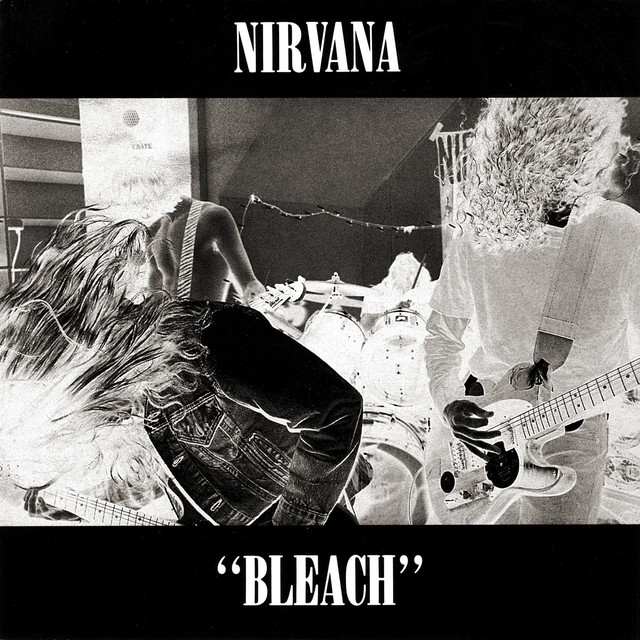
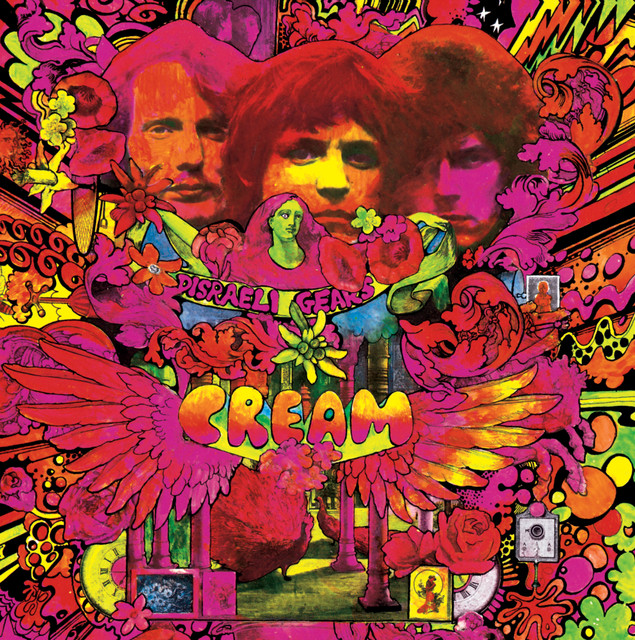

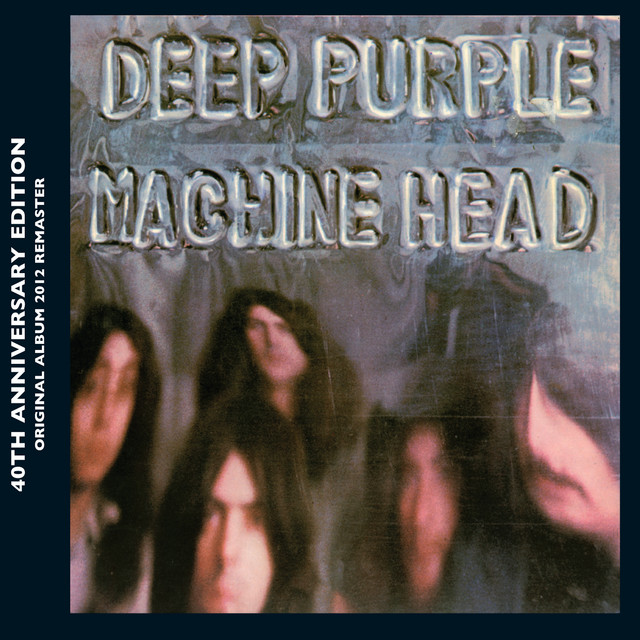
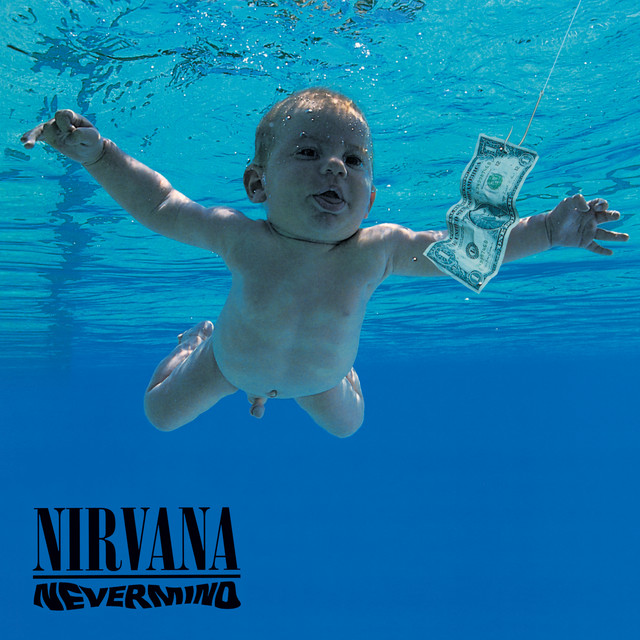
Riff Quest community ratings, September 2026. Scores move as more players rate each song.
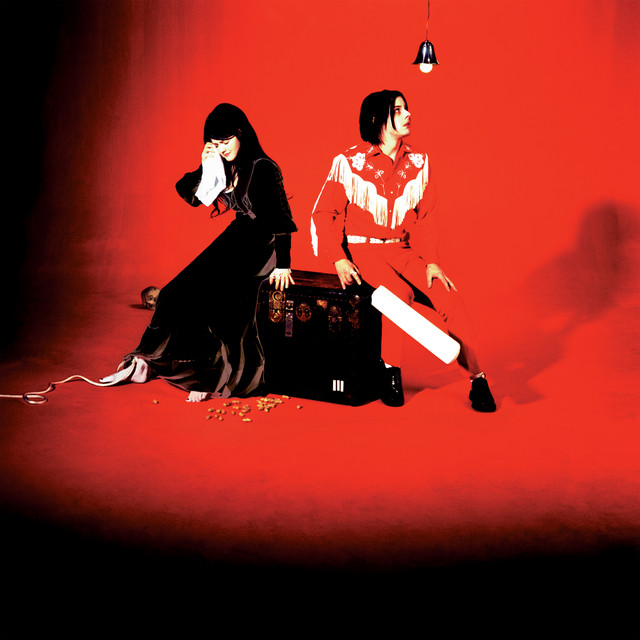
1. Seven Nation Army – The White Stripes (2.3 / 10)
Seven Nation Army is the easiest song in the Riff Quest library with a meaningful number of ratings: 20 players scored it at an average of 2.3 out of 10. The whole song is one seven-note riff played on a single string, most commonly the A string at frets 7, 10, 7, 5, 3 and 2, and there are no chords anywhere in the guitar part.
The riff on the record sounds like a bass, but Jack White played it on a guitar through a pitch-shift pedal set an octave down. Playing it without the pedal sounds thinner but is the same notes, so a beginner on any guitar can learn it in one sitting.
The one thing that separates a clean version from a sloppy one is note length. Each note should ring for its full value and stop the moment the next one starts, which is a good first lesson in left-hand muting. The full Seven Nation Army guitar guide covers the riff, the tone and the two chords in the chorus.
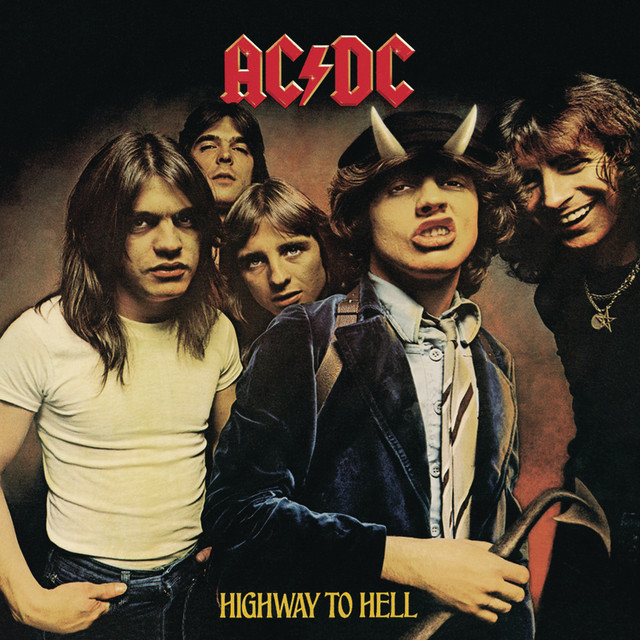
2. Highway to Hell – AC/DC (2.8 / 10)
Highway to Hell scores 2.8 from five ratings and needs three open chords: A, D and G. The famous intro walks A to D to G and back, and the verse sits on a single A chord with short, muted strums.
The difficulty is entirely in the right hand. Angus Young's rhythm playing is tight and staccato, and the chords are choked off between hits rather than left to ring. A beginner who can play A, D and G cleanly can play Highway to Hell by the end of a week, and the song makes a better strumming lesson than most strumming exercises.
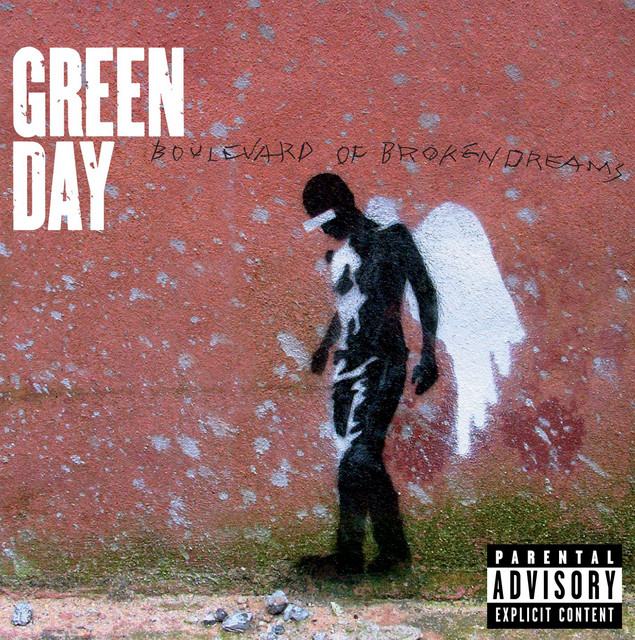
3. Boulevard of Broken Dreams – Green Day (3.0 / 10)
Boulevard of Broken Dreams is rated 3.0 from five ratings and uses the shapes Em, G, D and A in the verse and C, G, D and Em in the chorus. The intro is a picked pattern over the Em shape, and the rest of the song is straight strumming at around 84 BPM.
The catch is the tuning. Green Day recorded the song a half step down, so playing standard-tuned open shapes along with the record sounds a semitone sharp. Tune every string down a half step, or ignore the record and play it in standard with a backing track.
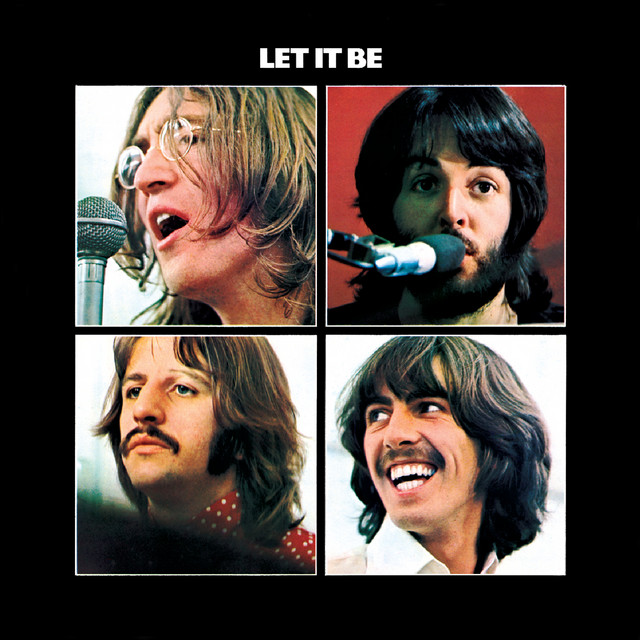
4. Let It Be – The Beatles (3.0 / 10)
Let It Be scores 3.0 from four ratings. The verse is C, G, Am and F, the chorus adds nothing new, and the tempo sits around 72 BPM, which leaves plenty of time between changes.
The F chord is the only obstacle. Beginners who cannot yet hold a full barre can play the four-string F on the top strings, or swap in Fmaj7, and the song sounds fine either way. The piano and the solo are optional decoration on a song that works as a plain strummer.
I picked a song with a full F barre chord about two weeks into playing and stalled on it for a month. Starting with the four-string version of F and coming back for the barre later would have saved me most of that month.
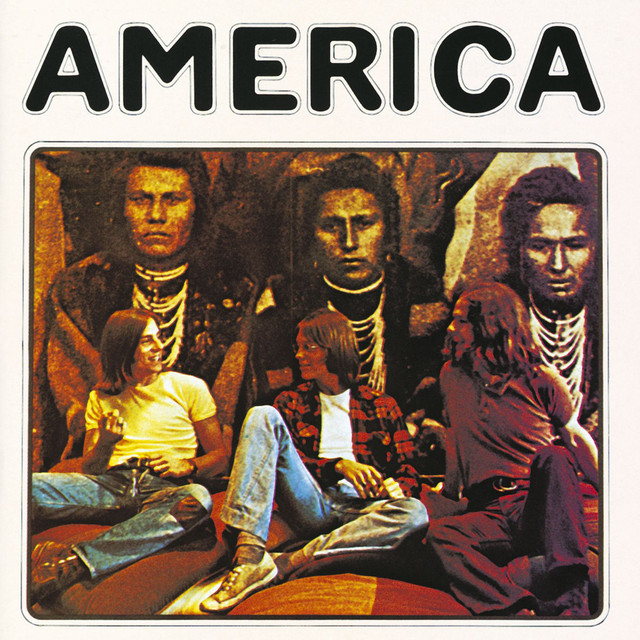
5. A Horse with No Name – America (3.0 / 10)
A Horse with No Name is a two-chord song from start to finish: Em and a D6add9/F# shape that keeps two fingers in place while the other two move. Three players rated it at an average of 3.0.
The tempo is around 122 BPM, and the entire guitar part is one strumming pattern repeated for the whole song. A Horse with No Name is the song to learn when chord changes are still slow, because there is only one change to practise.
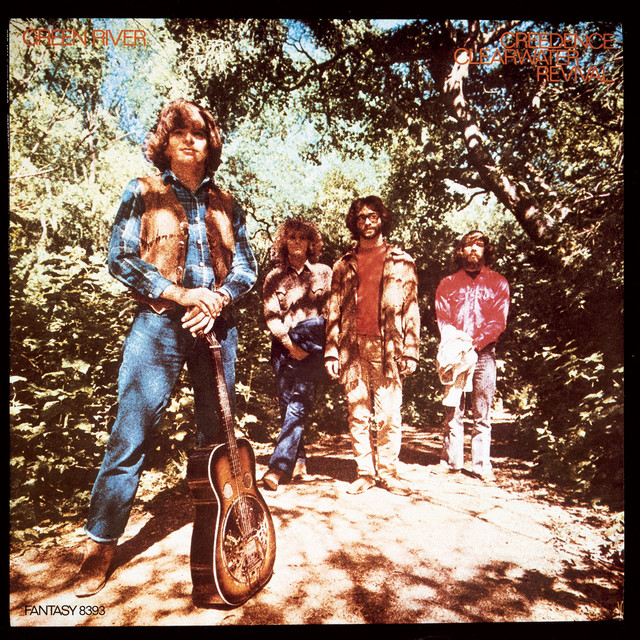
6. Bad Moon Rising – Creedence Clearwater Revival (3.0 / 10)
Bad Moon Rising uses D, A and G, three of the first chords most beginners learn, and scores 3.0 from three ratings. The changes follow a predictable pattern that repeats through every verse and chorus.
The song is quick, and the strumming needs to stay light and even, so the first pass should be played well under the record's speed. Bad Moon Rising is a good test of whether the D-to-A change is truly automatic, because the song does not wait for slow fingers.
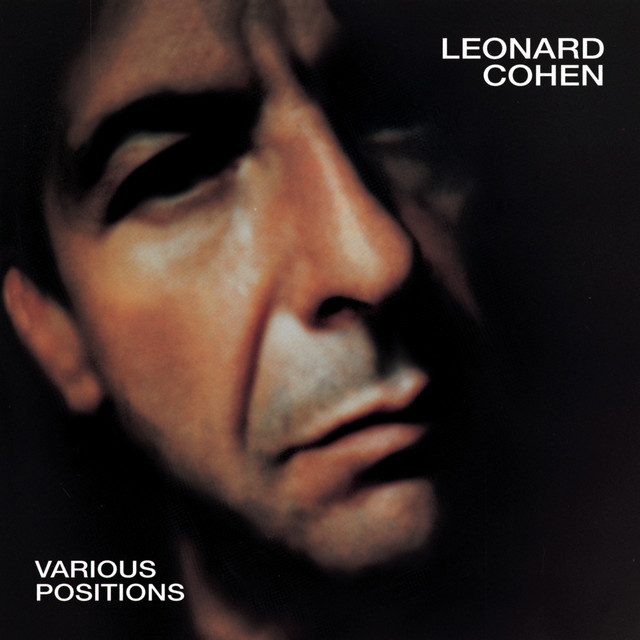
7. Hallelujah – Leonard Cohen (3.0 / 10)
Hallelujah is in C major, uses C, Am, F and G with an E7 in the turnaround, and sits in a slow 6/8 feel. Three players scored it at 3.0.
The guitar part is arpeggiated rather than strummed, which makes Hallelujah a good first fingerpicking song. The chord changes are slow enough that a beginner can plant the next shape while the last note is still ringing. The F chord can be played as Fmaj7 or the four-string version without losing the sound.
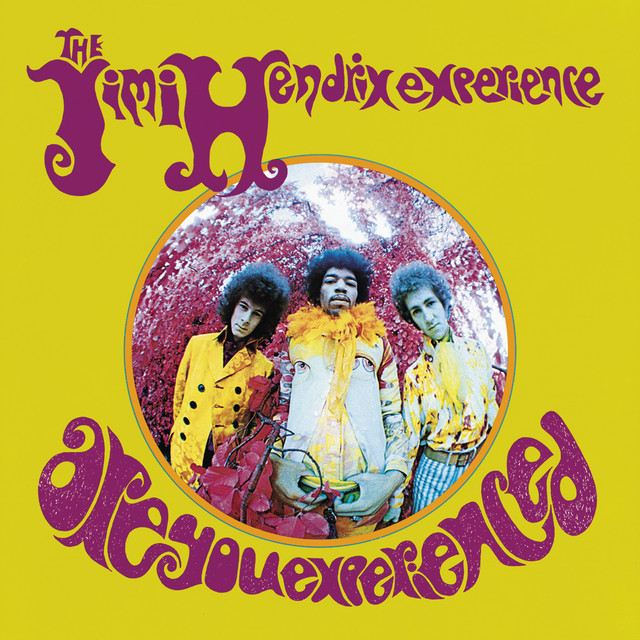
8. Hey Joe – Jimi Hendrix (3.0 / 10)
Hey Joe cycles through C, G, D, A and E for the entire song, with each chord getting the same number of beats, and is rated 3.0 from three ratings. The tempo is slow, around 80 BPM, so five chords feel like fewer.
Hendrix's version adds bass-note walk-ups between chords and a solo, both of which can be skipped. The strummed chord cycle on its own is a complete, recognisable version of the song and a useful way to learn the open E chord in context.
9. About a Girl – Nirvana (3.2 / 10)
About a Girl is built on a verse that alternates Em and G, and five players scored it at 3.2. The chorus adds a handful of chords, but the two-chord verse is most of the song and is where a beginner spends the first few days.
The acoustic version from MTV Unplugged is the one to learn from. The guitar part is plain strumming with no lead work, and the tempo is relaxed enough to keep the Em-to-G change comfortable.
10. Sunshine of Your Love – Cream (3.3 / 10)
Sunshine of Your Love is a single-note riff on the low strings built from the D blues scale, and four players scored it at 3.3. The riff repeats through the verse, and the chorus moves to A, C and G.
The riff is played one note at a time with no chords, which makes Sunshine of Your Love a natural second song after Seven Nation Army. The tempo is moderate, around 115 BPM, and the riff sits under the fingers without any stretches.
11. House of the Rising Sun – The Animals (3.4 / 10)
House of the Rising Sun scores 3.4 from 18 ratings, the third-largest sample in this list. The chords are Am, C, D, F and E, played as a slow arpeggio in 6/8 rather than strummed.
The arpeggio pattern is the same for every chord, so the right hand learns one shape and repeats it. The F is a full barre on the record, and beginners can use the four-string F or Fmaj7 until the barre is ready. The House of the Rising Sun guide covers the 6/8 arpeggio and the F chord in more detail.
House of the Rising Sun was the song that made picking individual strings feel normal to me. Playing the same six-note pattern over and over, chord after chord, did more for my right hand than any exercise I tried at the time.
12. Smoke on the Water – Deep Purple (3.5 / 10)
Smoke on the Water is rated 3.5 from 20 ratings, tied with Seven Nation Army for the most-rated song in this list. The riff is played on the G and D strings together as two-note shapes at frets 0, 3 and 5, with a 6 to 5 slide in the second bar.
The most common beginner mistake is playing the riff as power chords on the low E string, which is a different sound from the record. Ritchie Blackmore played the two strings with his fingers, and the two-string version is both more authentic and easier on the fretting hand. The Smoke on the Water guitar guide breaks down the riff, the verse and the solo separately.
I still play the Smoke on the Water riff as a warm-up before most practice sessions. It was the first riff I ever got clean, and it is a quick check that both hands are awake.
13. Come As You Are – Nirvana (3.6 / 10)
Come As You Are is a single-note riff on the two lowest strings, rated 3.6 from 17 ratings. The riff moves through the open string and the first three frets, and the chorus is two power chords.
The guitar on the record is tuned down a whole step, to D standard. Playing along in standard tuning puts every note a tone sharp, so either tune down or use a backing track in the standard-tuning key. The watery sound of the riff comes from a chorus pedal, which is optional.
14. Wish You Were Here – Pink Floyd (3.8 / 10)
Wish You Were Here uses Em7, G and A7sus4 for the intro and C, D, Am and G for the verse, with no barre chords and no capo, and four players scored it at 3.8. The tempo is around 60 BPM.
The intro riff is the reason Wish You Were Here sits at the top end of the beginner tier rather than the bottom. The record layers two guitars, so a single player learning the tab gets half of the sound, and the small bends in the riff need to land on pitch to sound right. The Wish You Were Here guitar guide explains which guitar part to learn and how to handle the bends.
15. Knockin' on Heaven's Door – Bob Dylan (3.8 / 10)
Knockin' on Heaven's Door is G, D and Am7 followed by G, D and C, repeated for the whole song, and five players scored it at 3.8. The tempo is slow, around 69 BPM, and every chord is an open shape.
The score is higher than the chord chart suggests, and the likely reason is the strumming. The song is slow enough that an uneven pattern is obvious, so it rewards a steady down-down-up-up-down-up more than a fast song would. Knockin' on Heaven's Door is a good first song to sing over, because the chord changes need almost no attention.
Knockin' on Heaven's Door was the first song I played all the way through without stopping. It took an evening to learn the four shapes and about a week for the changes to stop feeling like a puzzle.
Browse Every Beginner Song
Filter the song library by the D tier to see all 170+ beginner songs with their live community difficulty score, or search for a song you already have in mind.
Open the Song LibraryMore Beginner Songs With Fewer Ratings
A handful of songs in the Riff Quest library score as low as the list above but have only two ratings, which is too few to rank with confidence. Three Little Birds by Bob Marley scores 2.0 with the chords A, D and E. Stand by Me by Ben E. King scores 3.0 on the four-chord loop A, F#m, D and E. Good Riddance (Time of Your Life) by Green Day and Chasing Cars by Snow Patrol both score 3.0.
Learning to Fly by Tom Petty scores 2.7 from three ratings and would qualify for the main list on the numbers. Learning to Fly loops the same four chords for the entire song, and it belongs on any beginner's shortlist alongside A Horse with No Name.
Songs That Look Easy but Are Not
Several songs that appear on most "easy guitar songs" lists rate in the intermediate C tier once real players score them. Smells Like Teen Spirit by Nirvana scores 4.0 from 11 ratings. Paranoid by Black Sabbath scores 4.4 from 10 ratings. Creep by Radiohead scores 4.5 from 10 ratings. Nothing Else Matters by Metallica scores 5.4 from 18 ratings.
Each of these songs has a specific reason for the higher score. Creep needs four barre chords, G, B, C and Cm, and the Cm shape is unusual for a beginner. Paranoid is fast, and the palm-muted riff falls apart at speed. Smells Like Teen Spirit is four power chords, but the chords are played with a slide between them at a tempo that punishes a slow left hand. Nothing Else Matters is fingerpicked from the first bar and includes a solo.
Paranoid and Nothing Else Matters are also among the easiest metal songs in the library, and the 15 easiest metal songs to play on guitar ranks them against the rest of the genre.
None of these songs is out of reach, and all four are reasonable second or third songs. The point is that a chord chart with four shapes on it does not tell you how fast the changes come or what the right hand has to do. A community score does.
Two other songs with their own guides rate in the same range or higher on the community scale. Everlong is in drop D, where ringing open strings make the chords easy and the 158 BPM strumming is the work. Under the Bridge layers Hendrix-style chord embellishments over its chords.
What Actually Makes a Song Easy
The number of chords in a song is a weak predictor of its difficulty. Hey Joe has five chords and scores 3.0, while Creep has four chords and scores 4.5. The speed of the chord changes, the shapes involved and the right-hand pattern matter more than the count.
Chord change speed is the biggest factor for a beginner. A song at 70 BPM with a chord change every bar gives a slow left hand a full four beats to prepare. The same chords at 170 BPM give less than a second and a half, which is why Bad Moon Rising needs a slower first pass despite having only three chords.
The open chord shapes most of these songs use, with diagrams and a first chord-change drill, are in the guitar chords for beginners guide.
Barre chords are the second factor. Every song in the main list either has no barre chords or has an F that can be replaced with a four-string F or an Fmaj7. Songs built on barre shapes, like Creep, sit a tier higher on the same scale.
Riff songs deserve a separate mention. Seven Nation Army, Smoke on the Water, Sunshine of Your Love and Come As You Are need no chord shapes at all and can be learned on the first day of playing. A riff is one finger at a time, and the only skill it needs is landing on the right fret in time.
Tuning is the factor most beginner lists ignore. Come As You Are is a whole step down and Boulevard of Broken Dreams is a half step down, so playing along with either record in standard tuning sounds wrong even when every note is correct. Check the tuning before deciding a song is too hard.
How to Learn Your First Song
Choose a song from the list that you already know well enough to hum. Knowing how the song goes is half the work of learning the rhythm.
Fret each chord or riff position, pick every string one at a time, and fix any buzzing note before moving on. A clean shape at rest is easier to fix than a clean shape in motion.
Find the two chords that are slowest to switch between and play only that change for a few minutes. The rest of the song usually takes care of itself.
Start around 60 to 70 percent of the record's tempo and raise it in small steps only when a pass is clean. A song that is clean at 80 BPM will be clean at 100 BPM within a few days.
Once the song is clean at tempo, play with the original track to lock in the timing and the feel. Check the tuning first if the song was recorded down a step.
When the song feels finished, rate its difficulty so the next beginner gets a better score. Then pick a song one step up the list rather than three.
I keep one rule for myself with new songs: the metronome stays at 60 percent of the record's tempo until I can play the whole song three times in a row without a mistake. Breaking that rule always costs more time than following it.
Strumming — Down-Up
Develop a fluid, continuous down-up strumming motion with strict rhythm control.
A structured warm-up before song practice keeps the fingers loose and the changes clean. The beginner guitar practice checklist lays out a 15 to 20 minute routine that fits song practice into the last block, and the beginner guitar exercises page collects the chord, strumming and finger drills that feed directly into these songs.
Picking the Right Song for Your Level
The safest choice for a first song is one from the top third of this list: Seven Nation Army, Highway to Hell, A Horse with No Name or Let It Be. Each has a score at or below 3.0 and either a single riff or three or four open chords.
After two or three songs from the D tier feel comfortable, the next step is a song from the top of the C tier rather than a jump to something famous and hard. Smells Like Teen Spirit at 4.0 or Paranoid at 4.4 make sense as a fourth or fifth song. The full guide to finding guitar songs by difficulty explains how to read the tiers and move up one at a time.
I use the Riff Quest library myself to pick the next song, and the habit that helped most was ignoring the songs I wanted to play and choosing the easiest one I had not learned yet. The wanted songs came faster that way, not slower.
Track the Songs You Learn
Free to join, no credit card. Add songs to your list, log practice time, rate difficulty when you finish a song, and see your repertoire grow tier by tier.
Start FreeFAQs
What is the easiest song to play on guitar for a complete beginner?
Seven Nation Army by The White Stripes is the easiest song in the Riff Quest library with a meaningful number of ratings, scoring 2.3 out of 10 from 20 players. The entire song is one seven-note riff played on a single string, so it needs no chord shapes and can be learned in one sitting.
How many chords should a beginner's first song have?
Three or four open chords is the usual range, but the speed of the changes matters more than the count. A Horse with No Name has two chords, Bad Moon Rising has three and Hey Joe has five, and all three score 3.0 out of 10 because the changes land at a comfortable pace.
Do any of these easy songs need barre chords?
Two songs contain an F chord: Let It Be and House of the Rising Sun. Both can be played with a four-string F on the top strings or an Fmaj7 instead of the full barre, and the song sounds fine either way. The other 13 songs use only open chords or single-note riffs.
Why do some easy guitar song lists include songs that are actually hard?
Most lists judge a song by its chord chart, which shows the shapes but not the tempo, the tuning or what the right hand does. Creep has four chords and rates 4.5 out of 10 because all four are barre chords, and Nothing Else Matters rates 5.4 because the guitar part is fingerpicked from the first bar. Community ratings from players who learned the song catch what the chart misses.
How long does it take a beginner to learn a first song?
A single-riff song like Seven Nation Army or Smoke on the Water takes an evening to learn and a few days to play cleanly. A three or four chord song like Knockin' on Heaven's Door usually takes an evening for the shapes and about a week for the changes to become automatic, practising 15 to 20 minutes a day.
About the Author

Michael Apfel
Guitarist & Creator of Riff Quest
Has been playing guitar for 14 years, including time performing live in two bands. Built Riff Quest to solve his own practice-tracking problems, and writes about practice and learning guitar drawing on hands-on experience with the instrument.
Try Riff Quest