Song guide · Megadeth
How to Play Tornado of Souls on Guitar: Riff Hard, Solo Harder
The riffs are an alternate-picking exam you can grind down with a metronome; Marty Friedman's solo is not, and the bends, not the speed, are where almost everyone falls short.
Most hard songs are hard in one direction. Tornado Of Souls is hard in two, and they have almost nothing to do with each other. The rhythm parts Dave Mustaine wrote are a stamina and precision test: fast alternate picking, tight muting, and riff shapes that change just enough to stop your hand going on autopilot. That half responds to the usual treatment: slow it down, climb the metronome, put in the hours.
Then Friedman's solo arrives, and the metronome stops helping. It is regularly named one of the greatest metal solos ever recorded, and the reason is not the note count. It is the phrasing: wide, slow, deliberately unusual bends that land on notes a rock player's ear does not expect, played with a vibrato that is entirely his. You can hit every fret in that solo and still sound nothing like the record, because the pitch of the bends is the content.
Both halves are covered below, separately, because they need separate practice plans and separate timelines.
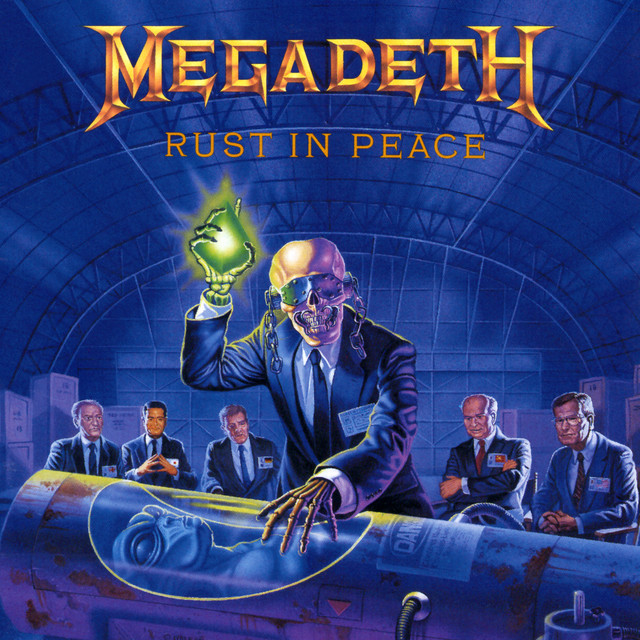
Tornado Of Souls
Megadeth
- Artist
- Megadeth (Rust in Peace, 1990)
- Tuning
- E standard
- Key
- E minor riffs; the solo moves well outside it
- Tempo
- ≈196 BPM (tempo tools often read it half-time, ≈98)
- Length
- 5:22
- Solo by
- Marty Friedman
- Tier
- S-Tier
9.7 / 10
11
50
2–4 months for the riffs; a year or more for a convincing solo
Live data from the Riff Quest community — difficulty is the average of real player ratings.
Where it sits on the ladder
D
C
B
A
S
Tornado Of Souls
Tornado Of Souls sits at the top end of the Riff Quest ladder (the badge above shows exactly where today's community rating lands it) because it stacks two separate advanced demands: five minutes of fast, muted alternate picking, then a solo whose difficulty lives in bend pitch and phrasing rather than in speed. Players arriving from thrash usually clear the first and stall on the second.
The verdict: two songs sharing one title
On the Riff Quest ladder this lands near the top (the badge above shows exactly where today's community rating sits), and unusually, the rating is honest for both halves rather than an average that flatters one of them. The riffs are legitimately advanced: sustained fast alternate picking with palm muting that has to stay tight while the shapes move around, for a five-and-a-half-minute song. If your picking hand tenses up, this song finds out within thirty seconds.
The solo is the reason players who can handle the riffs still cannot play the song. Friedman's vocabulary comes from outside standard rock and blues phrasing, and his bends are the signature: they are wide, they take their time, and they resolve to intervals that sound wrong under the fingers until you hear them in context. Getting them in tune is a pitch-recognition problem, not a speed problem, and it is why 'I learned the tab' and 'I can play the solo' are so far apart here.
There is also a well-earned piece of studio folklore attached to it. Friedman recalled that when he finished the solo, Mustaine came in, listened once, turned around and shook his hand without a word, the moment he felt he was genuinely the guitarist in the band.
Song map: where the difficulty actually lives
Five and a half minutes, one enormous spike. Learn the riff sections as a group; treat the solo as its own project with its own timeline.
Intro riff
Fast alternate-picked riffing straight out of the gate, with no gentle ramp-in. A useful audition for the whole song: if this section is not clean at tempo, nothing later will be.
Verse riffs
The main body of the rhythm work. Tight muting, shifting shapes, and enough repetition that fatigue rather than difficulty is what breaks it.
Chorus
Broader and more open than the verses, and the closest this song comes to a rest. The most learnable section by some distance.
Pre-solo build
The transition into the solo section, where the rhythm parts set up the harmony Friedman plays over. Straightforward on its own, awkward when chained at speed.
Guitar solo
Hardest partMarty Friedman's solo: the reason the song is on every 'hardest to play' list. Wide bends, outside note choices, legato runs and vibrato that carries most of the character. Months, not weeks.
Outro
Return to the riff material to close. Nothing new technically, and a genuine test of whether your picking hand still has anything left after five minutes.
Every rhythm section here rates as advanced but responds to ordinary metronome work. The solo does not: it is rated at the ceiling because its difficulty is pitch and phrasing, which no amount of slow practice fixes on its own. Budget your time accordingly. Most players need more months on 40 seconds of solo than on five minutes of riffs.
Video lessons
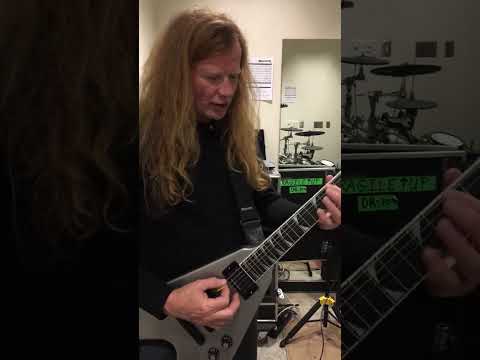


The picking ladder
For the rhythm parts only; the solo does not belong on a metronome until the bends are already in tune. A rung is cleared when you can play the intro and a verse riff back to back, twice, on consecutive days, with the mute intact.
Rung 1.Form phase. Small picking motion, relaxed forearm, exaggerated contrast between muted and open notes. Nothing about this tempo is beneath you; it is where the technique is actually built.
Rung 2.Accuracy phase. String changes start to expose a sloppy pick angle here. Play riffs in full rather than looping the easy bar.
Rung 3.The wall. Most players park here for weeks. Use short 20-second bursts at +10 BPM, then drop back, and do not live above your clean tempo.
Rung 4.Endurance phase. Stop counting riff reps and start running whole sections; minute four is the real test, not bar four.
The skills under the hood
The riff skills and the solo skills barely overlap. Both lists are below, marked by how essential they are to actually owning the song.
Sustained alternate picking
The engine of every rhythm part. Not a burst, but minutes of it, at tempo, with the pick angle staying consistent as the riff moves across strings.
Palm muting under speed
The riffs live or die on the mute staying tight while the picking hand is moving fast. Loosen it and the riff turns to mush; over-tighten and it chokes.
Wide expressive bends
Friedman's signature. Bends that travel a long way, arrive slowly, and have to be exactly in tune at the destination. The single hardest thing on this page to fake.
Outside note choice & phrasing
The solo does not sit in a comfortable minor pentatonic box. Its phrases lean on notes borrowed from outside the key, which is why it sounds unlike anything else on the album, and why copying it by shape rather than by ear rarely works.
Legato runs
Stretch goal — optional at first
Fast hammer-on and pull-off passages connecting the solo's melodic statements. Technically the most conventional part of the solo, and usually the first section players get down.
Controlled vibrato
Applied at the end of bends rather than as decoration. Its speed and width are a big part of why the solo is instantly recognisable, and a narrow, nervous vibrato gives away a copy immediately.
Realistic timelines
Two clocks again. The riffs run on practice hours; the solo runs on ear training.
Beginner (under 1 year)
There is no beginner entry point in this song; even the chorus assumes fast, muted alternate picking. Come back after a year of riff-based repertoire.
Intermediate (1–3 years)
The riffs are a realistic, rewarding target. The solo is where intermediate players tend to discover that their bends are not as accurate as they thought.
Advanced
The notes come quickly. Matching Friedman's bend pitch and vibrato is what still takes months, and it is the only part anybody will notice.
Should you attempt it yet?
You're ready if
- You can hold fast alternate picking with clean palm muting for a full song, not just for a four-bar riff.
- Your bends land in tune without a tuner in front of you, and you can hear when one is a few cents flat.
- You are willing to treat the solo as a separate multi-month project rather than the last item on a checklist.
Maybe wait if
- Your picking hand tightens up after a minute of fast riffing. Build that on a shorter, slower thrash song before committing months here.
- Bends are still guesswork. This solo is unforgiving about pitch in a way that most rock solos are not, and it will teach you bad habits at speed.
- You want a song you can perform soon. Even strong players are usually months out from a full run-through.
The training plan
Build the rhythm parts on the metronome, and build the solo on the recording. Swapping those two tools around is the most common mistake on this song.
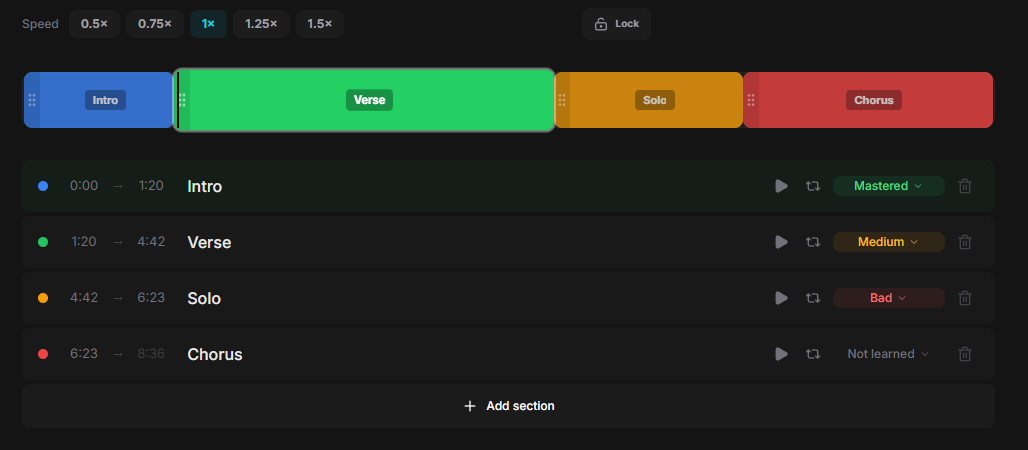
Track the riffs and the solo separately
In Riff Quest you can log the rhythm parts and the solo as two goals with two timelines, so months of ear work on 40 seconds of solo still shows up as progress.
- Loop any sectionIsolate the intro, solo, or chorus and loop just that part until it's clean.
- Track what's leftMark each section Mastered, Medium, Bad, or Not learned, so you always know what still needs work.
- Time spent per songEvery practice minute is logged against the song itself, not just a generic timer.
- Your own song libraryBuild a library of the songs you actually know, ready to revisit any time.
- Import your own tabsUpload a Guitar Pro file and turn on real-time note recognition through your mic — the same engine behind the built-in exercises.
The road to Tornado Of Souls, and past it
This song asks for a picking hand built elsewhere and an ear built over years. Here is what leads in.
Play these first — one step easier
Master of Puppets
Full guideMetallica
The other classic thrash stamina test: downpicking rather than alternate picking, and a far more forgiving solo to grow into.
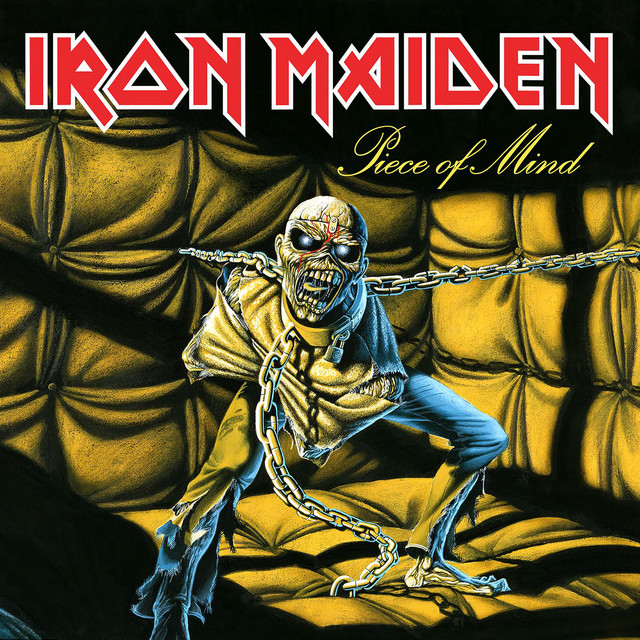
The Trooper
Full guideIron Maiden
Builds the picking-hand endurance this song assumes you already have, on a rhythm figure that is much easier to keep clean.
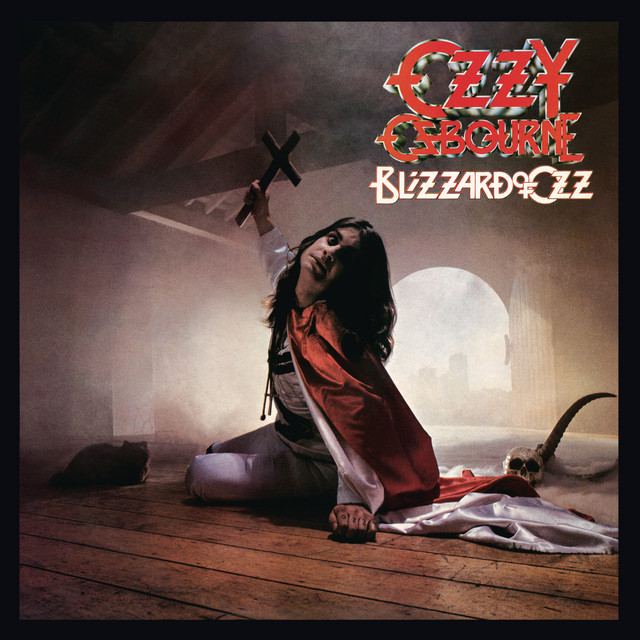
Crazy Train
Full guideOzzy Osbourne
A shorter, more contained lead-guitar project with the same lesson: the riff is not the hard part, the solo is.
Where to go next — one step harder
Browse the full song library ranked by community difficulty to build your own path.
Sources
Frequently asked questions
Questions about Riff Quest itself — how practice is scored, what it costs, what you need to plug in — are answered on the frequently asked questions page
How hard is Tornado Of Souls on guitar?
Tornado Of Souls currently rates 9.7/10 on Riff Quest's community difficulty scale (S-Tier), placing it among the hardest songs in the library. The rhythm parts are advanced but trainable with a metronome; Marty Friedman's solo is the section that keeps the rating that high, because its difficulty is bend accuracy and phrasing rather than speed.
What BPM is Tornado Of Souls?
Around 196 BPM. Automated tempo detectors frequently report it at half that figure, roughly 98 BPM, because the underlying pulse can be counted either way. For practice, the useful number is the fast one: the riffs are 16th-note picking against that pulse, so start around 60% and climb.
What tuning is Tornado Of Souls in?
E standard, with no drop tuning and no capo. That is true of Rust in Peace generally, which is one reason the album's riffs sit so awkwardly under the fingers compared with later down-tuned thrash: everything is played in standard positions at speed.
Why is the Tornado Of Souls solo considered so hard?
Because the hard part is not the fast notes. Marty Friedman's solo is built on wide, slow bends that resolve onto unusual target notes, plus a very specific vibrato. Playing the correct frets is achievable for most advanced players; landing every bend exactly in tune and matching the phrasing is what separates a copy from a performance, and that takes months of ear work.
Can I learn the riffs without the solo?
Yes, and for most players that is the sensible plan. The riff sections make a complete, satisfying piece of practice material on their own and take a few months rather than a year. Plenty of guitarists play the song this way for a long time before starting on the solo.
What did Dave Mustaine think of the solo?
Friedman has recounted that when he finished recording it, Mustaine came into the studio, listened to it once, turned around and shook his hand without saying anything, the moment Friedman said he felt he was truly the guitarist for the band.
About the Author
Michael Apfel
Guitarist & Creator of Riff Quest
Has been playing guitar for 14 years, including time performing live in two bands. Built Riff Quest to solve his own practice-tracking problems, and writes about practice and learning guitar drawing on hands-on experience with the instrument.
Try Riff QuestThe riffs are the audition.
The solo is the exam.
Add Tornado Of Souls to your list, track both halves separately, and let community difficulty data show you what to build first.