Song guide · Metallica
How to Play Seek & Destroy on Guitar: The Thrash Song That Doesn't Punish You
It is the most forgiving early Metallica song: riffs around the open E string at about 140 BPM, downpicked but not at Master of Puppets speed, with a solo that is fast only in places.
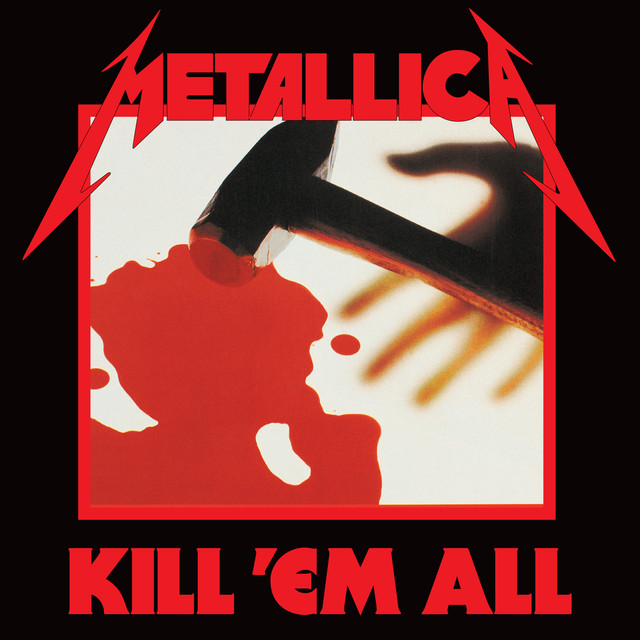
Seek & Destroy was the first song Metallica ever recorded in a studio, and it has closed more of their concerts than almost anything else in their catalogue. It is one of the most-played songs in the band's history. It is also, by a comfortable margin, the most approachable song on Kill 'Em All for a rhythm guitarist. The riffs sit around the open low E string, the tempo is brisk but not frantic, and the song gives you long stretches of the same riff to settle into.
That makes it the natural bridge between mid-tempo Metallica like Enter Sandman and the thrash songs that follow. It asks for downpicking, palm muting and endurance over nearly seven minutes, but at a speed a determined player can reach in weeks rather than months. This guide covers the riffs, the song map, and a detail that should reassure anyone learning the solo: Kirk Hammett has admitted the recorded solo contains a wrong note.
Seek & Destroy
Metallica
- Artist
- Metallica (Kill 'Em All, 1983)
- Tuning
- E standard
- Tempo
- ≈140 BPM
- Recorded
- Rochester, New York, May 1983
- Length
- 6:54
- Tier
- B-Tier
6.0 / 10
8
32
2-3 weeks for the riffs; 1-3 months with the solo
Live data from the Riff Quest community — difficulty is the average of real player ratings.
Where it sits on the ladder
D
C
B
Seek & Destroy
A
S
Seek & Destroy sits in the middle of the Riff Quest ladder (the badge above shows the current community rating). It is the entry point to thrash: fast enough to build real downpicking stamina, but slow enough to learn without tension. The faster Metallica songs above it on the ladder build directly on what it teaches.
The verdict: thrash with the training wheels still on
Seek & Destroy sits in the middle of the Riff Quest ladder, above Enter Sandman and clearly below Master of Puppets. That gap is exactly why it is useful. The riffs are built around the open E string with palm-muted downstrokes, and at about 140 BPM they are fast enough to feel like thrash while still leaving room to stay relaxed.
The real demand is length. The song runs close to seven minutes, and much of that time is the same riffs repeated. Keeping them tight and even from the first verse to the end is an endurance exercise, and a good test of whether your picking hand is relaxed or just surviving.
The solo is where the rating climbs. It mixes pentatonic phrases with fast runs and bends in Kirk Hammett's early style. It is harder than anything in the rhythm parts, but it is also famous for not being perfect: Hammett has said there is a bum note in it. Aim for the feel, not a flawless transcription.
Song map: long riffs, one jump
The song is long but repetitive. Most sections share the same difficulty until the solo.
Intro riff
The main riff built around the open E, first on its own and then with the band.
Verse and chorus
Riffs under the vocal, with the chorus built around the title shout. Palm-muting consistency is the main challenge.
Mid-section
The song changes gear and introduces a new riff before the solo. Watch the transition timing.
Guitar solo
Hardest partHammett's solo over the mid-section riff. Fast in places, with bends and pentatonic runs.
Final verse and outro
Back to the main riffs. The difficulty is now stamina, after several minutes of downpicking.
The rhythm parts sit together in the middle of the ladder; the solo is the single step up. The whole song without the solo is already a solid thrash workout.
Why this song, and not the rest of Kill 'Em All
Kill 'Em All is full of fast, raw thrash. Seek & Destroy is the gentlest entrance to it for a rhythm guitarist.
| Seek & Destroy | Typical Kill 'Em All thrash | |
|---|---|---|
| Tempo | Brisk, about 140 BPM | Often much faster |
| Riffs | Built around the open E, repeated at length | More riffs, faster changes |
| Picking hand | Downstrokes at a manageable speed | Sustained fast picking |
| Main challenge | Staying tight for seven minutes | Raw speed |
An editorial comparison. Each song's community rating on Riff Quest is on its own page or in the song library.
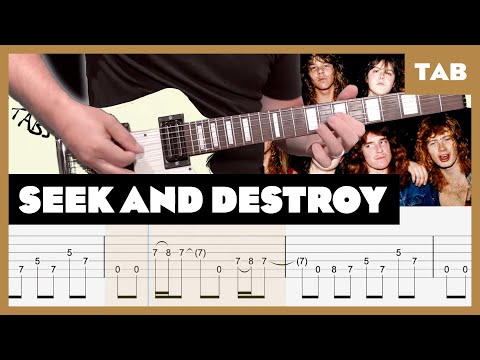
Video lessons


Is this your song right now?
You're ready if
- You can palm-mute power chords and single notes on the low E string.
- You have downpicked a riff at 120 BPM or so without tensing up.
- You have learned Enter Sandman or a similar mid-tempo metal song.
- You want your first thrash song without starting on the hardest one.
Maybe wait if
- You have never played palm-muted riffs; start with Enter Sandman.
- Your picking hand tires after a minute at 120 BPM; build stamina with Paranoid first.
- You only want the solo; it needs the pentatonic vocabulary the rhythm parts and easier solos build.
The skills under the hood
The rhythm parts test consistency; the solo tests vocabulary.
Downpicking at 140 BPM
Downstrokes give the riffs their weight. At this tempo they are manageable with a relaxed wrist.
Open E pedal riffing
Riffs return again and again to the open low E between other notes and chords. Keeping it muted and even is the core skill.
Palm-mute control
Switching between muted chugs and open, ringing chords within the same riff.
Endurance over seven minutes
Long sections of the same riff. The song tests whether your picking stays steady when you get tired.
Early Hammett-style solo
Stretch goal — optional at first
Pentatonic phrases, bends and fast runs. The hardest part of the song, and an excellent step toward Metallica's later solos.
How long will it actually take?
At 20-30 minutes a day, riffs first and solo later.
Early intermediate (after Enter Sandman)
The notes come quickly. Downpicking the whole song at 140 BPM is the main project.
Intermediate
Rhythm parts are fast to learn. The solo, with Hammett's phrasing, is the long part.
Advanced
Mostly about matching the feel and staying tight over seven minutes.
The practice plan
Build the picking hand first, then learn the song's structure, then the solo.
The wrong note on the record
The solo on Kill 'Em All is not a perfect performance, and that is good news for anyone learning it.
Kirk Hammett has openly said that the recorded solo contains a mistake: a bum note, as he put it, around 3:47 into the song. The take stayed on the album, and decades later almost nobody hears it as a mistake.
That is a useful attitude for learning the solo. Transcriptions tend to treat every note of a famous solo as sacred, which pushes players to chase perfection before they can play the phrase at all. Aim first for the shape and feel of each phrase: the bends, the rhythm and the rise and fall. Exact note choice can come later.
The same idea applies to the rhythm parts. A slightly imperfect but steady and powerful riff sounds far more like the record than a perfect one played timidly.
How to learn the solo
- 1.Learn it phrase by phrase at 60-70% speed.
- 2.Sing each phrase before playing it.
- 3.Feel first, exact notes second.
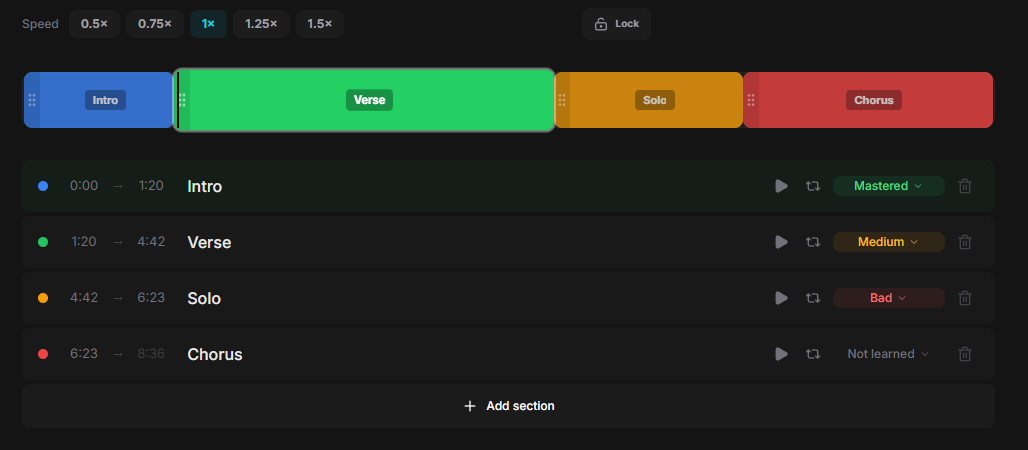
Seven minutes, one steady hand
Riff Quest tracks accuracy and tempo through the whole session, not just the first minute. Log the full song and watch your consistency hold up longer each week.
- Loop any sectionIsolate the intro, solo, or chorus and loop just that part until it's clean.
- Track what's leftMark each section Mastered, Medium, Bad, or Not learned, so you always know what still needs work.
- Time spent per songEvery practice minute is logged against the song itself, not just a generic timer.
- Your own song libraryBuild a library of the songs you actually know, ready to revisit any time.
- Import your own tabsUpload a Guitar Pro file and turn on real-time note recognition through your mic — the same engine behind the built-in exercises.
Before and after Seek & Destroy
Steps on the way from mid-tempo metal to full thrash.
Play these first — one step easier
Where to go next — one step harder
The Trooper
Full guideIron Maiden
A galloping picking pattern at speed: another classic stamina test.
Master of Puppets
Full guideMetallica
The thrash goal: much faster downpicking over an even longer song.
Creeping Death
Metallica
Fast, relentless Metallica riffing that pushes stamina and precision further.
Browse the full song library ranked by community difficulty to build your own path. Or pick from the 15 easiest metal songs to play on guitar, ranked by players.
Frequently asked questions
Questions about Riff Quest itself — how practice is scored, what it costs, what you need to plug in — are answered on the frequently asked questions page
How hard is Seek & Destroy on guitar?
Seek & Destroy currently rates 6.0/10 on Riff Quest's community difficulty scale (B-Tier). The riffs are downpicked around the open E string at about 140 BPM; the main challenges are stamina over seven minutes and the solo.
Is Seek & Destroy easier than Master of Puppets?
Yes, clearly. It is slower, with simpler riffs and less sustained fast downpicking. It is a good stepping stone before attempting Master of Puppets.
What tuning and BPM is Seek & Destroy?
Standard tuning (E A D G B E) at about 140 BPM. The riffs are built around the open low E string.
Should I downpick Seek & Destroy?
Downstrokes give the riffs their weight, and at about 140 BPM they are achievable with a relaxed wrist. Alternate picking is a reasonable way to learn the notes, but downpicking is closer to the record.
Is there a mistake in the Seek & Destroy solo?
Kirk Hammett has acknowledged a bum note in the recorded solo, around the 3:47 mark. It is a useful reminder that records capture feel, not perfection.
Why is Seek & Destroy so often played live?
It has been part of Metallica's shows since 1982 and was their regular closing song for many years. It is one of their most-performed songs ever.
About the Author

Michael Apfel
Guitarist & Creator of Riff Quest
Has been playing guitar for 14 years, including time performing live in two bands. Built Riff Quest to solve his own practice-tracking problems, and writes about practice and learning guitar drawing on hands-on experience with the instrument.
Try Riff QuestMetallica's first studio recording,
and your first thrash song.
Add Seek & Destroy to your list, build your downpicking at 140 BPM, and let community difficulty data show you the next step toward Master of Puppets.