Song guide · Metallica
How to Play Fade to Black on Guitar: Easy Verses, Hard Outro
Most of it is friendlier than its seven minutes suggest: open-chord arpeggios and mid-tempo power chords. The long outro solo is the part that takes months.
Fade to Black was Metallica's first ballad. The band wrote it in 1984, shortly after their gear had been stolen, and it opens on a 12-string acoustic before getting heavier section by section until it ends in a long Kirk Hammett solo. Guitar World readers ranked the song's solo 24th among the greatest guitar solos of all time.
Riff Quest players rate it as one of the more approachable Metallica songs, and for the verses and power-chord sections that rating is fair. It is still an average of very different parts. This guide splits the song into those parts, shows which ones you can play this month, and gives the outro solo its own tempo ladder.
Fade to Black
Metallica
- Artist
- Metallica (Ride the Lightning, 1984)
- Tuning
- E standard
- Key
- B minor (published transcription); verses on Am–C–G–Em
- Tempo
- ≈116 BPM, 4/4
- Length
- 6:55
- Tier
- C-Tier
4.4 / 10
9
29
4–6 weeks without the solos; 2–3 months with the outro solo
Live data from the Riff Quest community — difficulty is the average of real player ratings.
Where it sits on the ladder
D
C
Fade to Black
B
A
S
Fade to Black sits in the intermediate part of the Riff Quest ladder (the badge above shows the current community rating). It is a good bridge between open-chord songs and heavier Metallica: the clean sections reward chord work you already have, and the outro solo shows exactly which lead skills come next.
The verdict: an intermediate song with an advanced ending
Most of Fade to Black is friendlier than its seven minutes suggest. The verses are picked arpeggios over four open chords, the heavier sections are power chords at a moderate tempo, and nothing before the outro asks for thrash-speed downpicking. That is why Riff Quest players rate it in the intermediate range (the badge above shows today's score), and for the rhythm parts the rating is fair.
The rating is an average, though, and the outro solo pulls hard in the other direction. Kirk Hammett's closing solo runs over the heavy ending with fast, repeated legato licks, and it is the part players spend months on. Learn everything before it first, and treat the solo as a separate project.
The acoustic intro has its own trap. James Hetfield said that recording it taught him how frustrating acoustic guitar can be: you could hear every squeak. Clean, slow parts expose the chord changes that distortion would hide, so the easy-looking intro is where your fretting hand gets honest.
Fade to Black or Nothing Else Matters first?
The two Metallica ballads players usually weigh against each other. They train different hands, so the right first choice depends on how you play.
| Fade to Black | Nothing Else Matters | |
|---|---|---|
| Album | Ride the Lightning (1984) | Metallica (1991) |
| Clean part | Picked arpeggios on Am, C, G, Em | Fingerpicked arpeggios on open E minor |
| Feel | 4/4, about 116 BPM | Slow 6/8 |
| Heavy part | Power chords, then palm-muted bridge riffs | A bigger chorus, no thrash section |
| Solos | A clean intro solo and a long, fast outro solo | One slow solo by Hetfield with a single fast run |
| Choose it first if | You play with a pick and want a solo to grow into | You want to learn fingerpicking |
Labels are editorial. Each song's community difficulty rating is on its own page.
The song, section by section
Fade to Black gets heavier as it goes, and harder with it. The first four sections are within reach for most players a year in; the last two are where the time goes.
Acoustic intro
Picked arpeggios on a 12-string acoustic, decorated with slides, hammer-ons and pull-offs. Slow enough to think, exposed enough that every buzz is audible.
Intro solo
A clean, melodic solo over the arpeggios. Few fast notes; the work is in vibrato, slides and timing the phrases against the chords.
Verses
The Am–C–G–Em cycle as picked arpeggios under the vocal. Keep the pattern steady through the C-to-G change, the only big jump.
Chorus and interlude
Distorted power chords at a moderate tempo. The difficulty is switching sound and attack cleanly, not the shapes.
Bridge riffs
The song turns heavy: palm-muted rhythms and single-note triplet runs that need tight muting and a steady count.
Outro solo
Hardest partA long lead over the heavy ending, built on fast repeated legato licks. It ends the song, so there is no easier part afterwards to recover in.
The outro solo is the whole gap between this song's rating and its reputation. Everything before it is intermediate rhythm guitar at a moderate tempo. The outro asks for fast, even legato for a long stretch, and most players learn the rest of the song months before they can play it.
The four chords under the verses
The verses cycle Am, C, G and Em as picked arpeggios. These open shapes are the standard way to learn them; the record voices them on a 12-string, which only adds shimmer.
x02210
Home base of the cycle. Let the open A ring under the whole bar.
x32010
Index and middle stay where they were in Am; only the ring finger moves, to the 3rd fret of the A string.
320003
The one big jump. Practise the C-to-G change on its own until it lands without a gap in the pattern.
022000
The easiest shape and the end of the cycle. Use it to get your fingers ready for Am again.
Video lessons


What the song teaches your hands
The rhythm parts teach control in two sounds, clean and distorted. The two solos teach two very different kinds of lead playing.
Picked arpeggios
The intro and verses are chords played one string at a time with a pick: down strokes on the beat, up strokes between. Every note of the chord should ring into the next.
Slides, hammer-ons and pull-offs inside chords
The acoustic intro decorates its arpeggios with sliding chord shapes and quick hammer-ons and pull-offs. The chord has to stay held while one finger moves.
Clean-to-distorted switching
The song gets heavier as it goes. Switching from ringing arpeggios to tight power chords in one move, without a gap, is a skill of its own.
Palm-muted rhythms and triplet runs
The heavier sections use fast palm-muted rhythms and single-note triplet runs. Muting keeps them tight; triplets need counting until they sit on their own.
Melodic lead: vibrato and slides
Stretch goal — optional at first
The clean intro solo is slow and vocal. It is about how each note is held, not how many there are.
Fast repeated legato licks
Stretch goal — optional at first
The outro solo repeats short hammer-on and pull-off figures at speed. Even timing and equal volume on every note are what make them sound like the record.
A tempo ladder for the outro solo
The published transcription marks the song at about 116 BPM. Repeated legato licks fall apart when they are pushed before they are even, so climb in small steps and move up only after three clean passes in a row.
Rung 1.Each lick as separate picked notes, no legato yet. Settle which finger frets each note.
Rung 2.Add the hammer-ons and pull-offs. Every note should be as loud as the picked one.
Rung 3.Loop one lick for a full minute with no tension in the fretting hand.
Rung 4.Chain two licks and practise the shift between them on its own.
Rung 5.Record tempo. Play along with the record, then from the heavy riff to the end of the song.
Is this your song right now?
You're ready if
- You can change between Am, C, G and Em without stopping the beat.
- You play power chords and some palm muting on an electric.
- You want a Metallica song that starts clean and gets heavy, with a solo to grow into.
- You are fine leaving the outro solo for later and playing along with the record until then.
Maybe wait if
- You are still learning your first open chords; House of the Rising Sun trains the same picked arpeggios at a slower pace.
- You only want the outro solo. It assumes legato and speed that the rest of the song builds first.
- You want a fingerpicking piece; Nothing Else Matters is the Metallica ballad for that.
How long will it take you?
At 20–30 minutes a day, learning the rhythm parts first and the solos last.
Beginner with open chords (6–12 months)
Acoustic intro, verses and power-chord sections. Skip both solos and play along with the record.
Early intermediate
The bridge riffs need tight palm muting. The outro solo stays a later goal.
Intermediate and up
The notes come quickly. Playing the outro licks evenly at record tempo is the long part.
The order to learn it in
Clean first, heavy second, solos last. Each step leaves you with something you can already play along to.
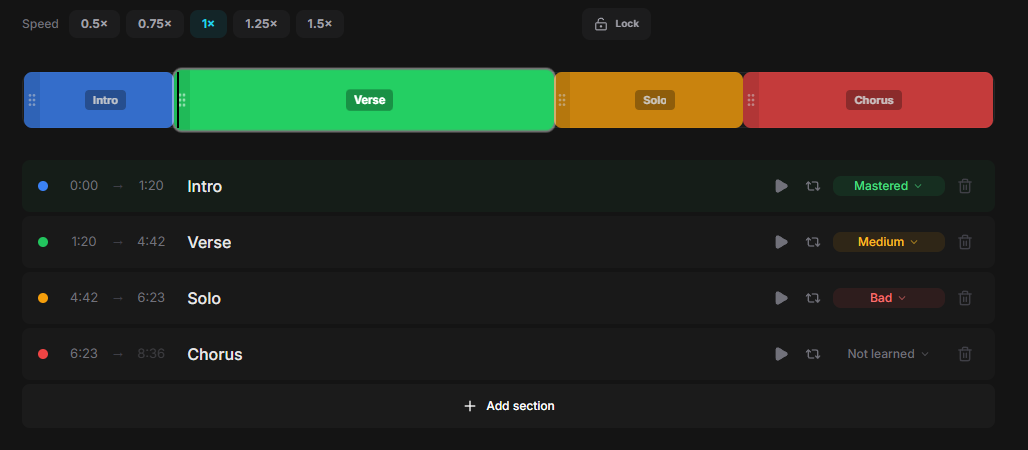
Log the rhythm now, the solo later
Riff Quest tracks every session, so you can watch the clean parts settle within weeks while the outro solo climbs on its own timeline.
- Loop any sectionIsolate the intro, solo, or chorus and loop just that part until it's clean.
- Track what's leftMark each section Mastered, Medium, Bad, or Not learned, so you always know what still needs work.
- Time spent per songEvery practice minute is logged against the song itself, not just a generic timer.
- Your own song libraryBuild a library of the songs you actually know, ready to revisit any time.
- Import your own tabsUpload a Guitar Pro file and turn on real-time note recognition through your mic — the same engine behind the built-in exercises.
Before and after Fade to Black
Two songs that train its parts on their own, and three Metallica songs that take the same clean-then-heavy idea further.
Play these first — one step easier

House of the Rising Sun
Full guideThe Animals
Picked arpeggios through open chords starting on Am: the same right-hand job as the verses, at a slower pace.
Smells Like Teen Spirit
Full guideNirvana
Quiet verse, loud chorus: practise the clean-to-distorted switch with simple power chords first.
Where to go next — one step harder
Nothing Else Matters
Full guideMetallica
Metallica's other clean ballad: fingerpicked in 6/8, with a slow solo where every bend is exposed.
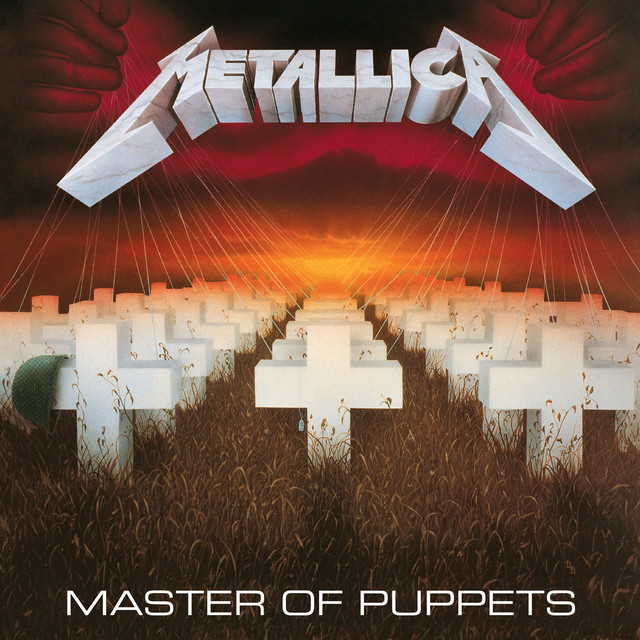
Welcome Home (Sanitarium)
Metallica
The same formula on Master of Puppets: a clean intro, then a thrash ending that asks more of the picking hand.
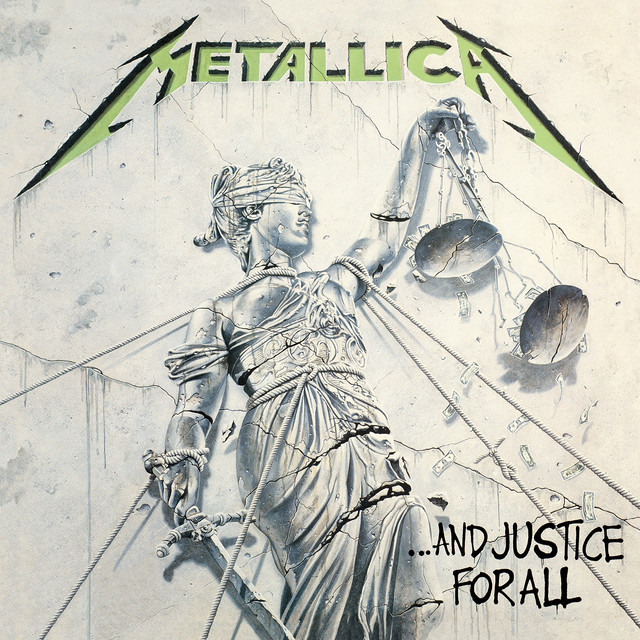
One
Metallica
The arc taken furthest: a clean first half, then fast triplet riffs to the end.
Browse the full song library ranked by community difficulty to build your own path. Or pick from the 15 easiest metal songs to play on guitar, ranked by players.
Sources
- Fade to Black: Wikipedia (Ride the Lightning, 6:55, stolen gear, Hetfield on recording the acoustic, Hammett on lead, Guitar World solo ranking)
- Musicnotes guitar tab (B minor, 4/4, ♩ = 116)
- Mr Tabs lesson (standard tuning)
- Guitar Pro blog (12-string acoustic intro played with a pick; arpeggios, sliding chords, hammer-ons and pull-offs)
- Guitar Lessons 365 (palm-muted rhythms, single-note triplet sequences, repetitive legato licks)
- JustinGuitar community: Fade to Black lesson (Grade 3 song)
- CustomsForge thread (studio recording slightly off A440)
Frequently asked questions
Questions about Riff Quest itself — how practice is scored, what it costs, what you need to plug in — are answered on the frequently asked questions page
How hard is Fade to Black on guitar?
Fade to Black currently rates 4.4/10 on Riff Quest's community difficulty scale (C-Tier). The clean verses and power-chord sections are intermediate rhythm guitar; the long outro solo is much harder than the score suggests.
Is Fade to Black easier than Nothing Else Matters?
For the rhythm parts, many players find it is: picked arpeggios in 4/4 instead of fingerpicking in 6/8. The outro solo is the exception. It is longer and faster than anything in Nothing Else Matters, so with the solos included Fade to Black is the bigger project.
What tuning is Fade to Black in?
Standard tuning (E A D G B E), no capo. Some players report that the studio recording sits slightly off standard A440 pitch, so if a well-tuned guitar sounds a hair off against the record, the record is the reason, not your tuner.
What chords are in Fade to Black?
The verses cycle Am, C, G and Em as picked arpeggios, and the heavier sections switch to power chords such as D5, E5 and F#5. The published transcription lists the song in B minor.
Do I need a 12-string guitar for Fade to Black?
No. The intro on the record is a 12-string acoustic played with a pick, but a regular six-string acoustic or a clean electric covers the same notes. The 12-string only adds the shimmer.
Who plays the solos in Fade to Black?
Kirk Hammett plays lead guitar on the recording, and James Hetfield plays rhythm and acoustic guitar. Guitar World readers ranked the song's solo 24th among the greatest guitar solos.
How long does it take to learn Fade to Black?
A player with a year of open chords usually gets the intro, verses and power-chord sections in four to six weeks. The intro solo adds a few weeks; the outro solo is a project of one to three months on its own.
About the Author

Michael Apfel
Guitarist & Creator of Riff Quest
Has been playing guitar for 14 years, including time performing live in two bands. Built Riff Quest to solve his own practice-tracking problems, and writes about practice and learning guitar drawing on hands-on experience with the instrument.
Try Riff QuestFrom the first arpeggio
to the outro solo.
Add Fade to Black to your list, learn it section by section, and let community difficulty data pick the Metallica song that comes next.